
The psychological triggers that drive gambling behavior in casinos
The allure of excitement and risk
The thrill of gambling is a powerful psychological trigger that captivates many individuals. Casinos are designed to amplify this sense of excitement, with vibrant lights, engaging sounds, and an atmosphere that stimulates the senses. The unpredictability of outcomes creates an adrenaline rush that can lead to riskier behavior, compelling players to take chances they might otherwise avoid in everyday life. Many players often seek out platforms that offer engaging gameplay, such as https://www.iannefieldsstewart.com/, enhancing their gaming experience.
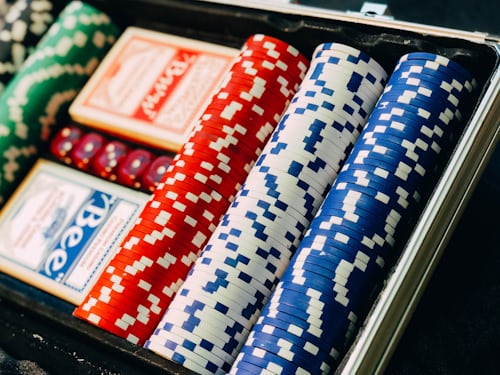
This sensation is often coupled with the concept of “near misses,” where a player comes close to winning but ultimately does not. Such experiences can trigger a gambler’s brain to interpret the near win as a sign that success is just around the corner, leading to continued play despite financial losses. This psychological phenomenon reinforces the gambling behavior, creating a cycle that can be difficult to break.
The role of social interaction
Another crucial psychological trigger in casinos is the aspect of social interaction. Many gamblers are drawn to the communal experience of playing games alongside others, whether at a table or in front of slot machines. This social environment can provide a sense of belonging and shared excitement, enhancing the overall experience.
Moreover, the presence of friends and fellow gamblers can foster a competitive atmosphere, which can heighten emotions and stimulate more gambling. Social influences, such as group norms and peer pressure, can further encourage individuals to partake in gambling behaviors that they might not engage in alone, thus reinforcing their actions.
Rewards and reinforcement
The psychology of rewards plays a significant role in gambling behavior. Casinos utilize various reward systems, such as comp points, bonuses, and jackpots, to incentivize continued play. The intermittent nature of rewards, where wins are sporadic but can be substantial, creates a powerful reinforcement loop in the mind of the gambler.
Research indicates that the brain’s response to rewards, particularly unpredictable ones, can trigger the release of dopamine, which is often referred to as the “feel-good” neurotransmitter. This neurological response can lead to compulsive gambling as players chase the exhilarating feelings associated with winning, despite the potential for significant losses.
Celebrity influence and marketing tactics
The involvement of celebrities in the gambling industry has also become a significant psychological trigger. Endorsements by well-known figures can make casinos and their offerings more appealing to potential gamblers. The association of these celebrities with luxury and success can create a desire to emulate their lifestyle, leading individuals to engage in gambling as a means to achieve similar status.
Additionally, marketing tactics employed by casinos often tap into the aspirational aspects of celebrity culture. Promotions featuring star-studded events or exclusive experiences can entice gamblers to participate, playing on their emotions and the allure of fame. This strategy effectively merges entertainment with gambling, increasing the likelihood of engagement.

Exploring the impact of gaming platforms
Our website offers an extensive array of information and resources tailored to the world of gaming and gambling behavior. We provide insights into various gaming platforms and the psychological elements that influence player decisions. Whether you’re interested in understanding the effects of gambling or seeking out the best demo slot games, we have curated content to meet your needs.
By exploring our site, users can learn about the nuances of gambling psychology while engaging with exciting gameplay without financial commitment. We aim to create an informed community that appreciates the thrill of gaming while being aware of its psychological dimensions.


 What’s App