
The historical journey of gambling tracing its origins and transformations
The Ancient Roots of Gambling
The origins of gambling can be traced back thousands of years, with evidence of games of chance appearing in ancient civilizations. Archaeological findings suggest that forms of gambling were present in Mesopotamia around 3000 BC. Early humans used rudimentary dice made from bones, stones, or wood for various games, reflecting the intrinsic human attraction to chance and risk. This period marked the beginning of gambling as a social activity, often intertwined with cultural and religious practices. Today, many enjoy engaging in online casinos australia, which have emerged as a modern extension of this age-old practice.
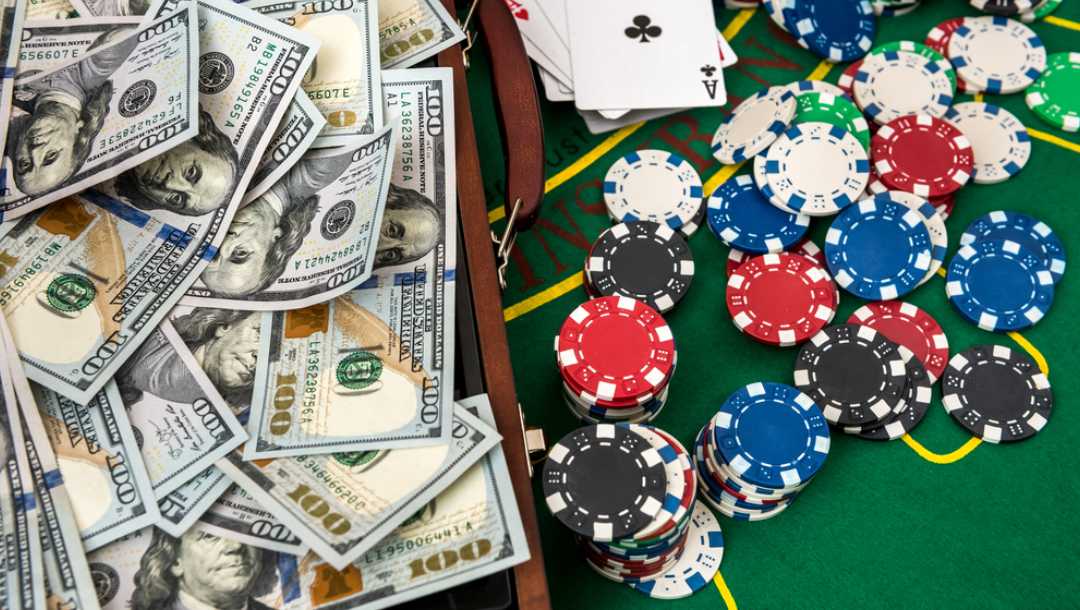
As societies evolved, gambling took on new forms. In Ancient China, it was believed that the game of Keno was developed during the Han Dynasty. This game not only provided entertainment but also served as a means of raising funds for state projects. Similarly, the Romans incorporated gambling into their leisure activities, using it as a way to bet on gladiatorial games, horse races, and various contests, showcasing the growing popularity of gambling across different cultures.
The Evolution of Gambling in Medieval Times
The Middle Ages saw significant transformations in gambling practices, particularly in Europe. The introduction of playing cards from the Islamic world to Europe during the 14th century revolutionized gaming. These cards became a canvas for new gambling games, most notably poker and blackjack. This era also witnessed the rise of gaming houses and public betting, which began to gain popularity despite being met with criticism from religious groups who viewed gambling as sinful.
During this time, various regions imposed regulations on gambling to control its growing influence. Laws were introduced that restricted certain forms of gambling while promoting others, leading to a dichotomy of acceptance and disapproval. The notion of gambling as a vice persisted, but its integration into social life became undeniable as communities gathered to partake in games of chance.
The Birth of Modern Gambling
The 17th and 18th centuries marked a turning point in the history of gambling, particularly with the establishment of organized betting systems. The first official lottery was launched in England in 1569, setting a precedent for regulated gambling. By the 19th century, various forms of gambling, including horse racing and casino games, had become mainstream, contributing to the emergence of sophisticated gambling establishments.
During this period, notable advancements in gambling technology also emerged. The introduction of roulette and slot machines in casinos drew in crowds and turned gambling into a staple of entertainment. This era also saw the establishment of gambling laws in various countries, aiming to curtail illegal betting activities while legitimizing licensed operations, paving the way for the structured gaming industry we recognize today.
The Impact of Technology on Gambling
The advent of the digital age has transformed gambling into a global phenomenon. Online casinos emerged in the 1990s, allowing players to engage in gambling activities from the comfort of their homes. This technological revolution has made gambling more accessible and appealing to a broader audience, leading to an unprecedented surge in participation.
Moreover, mobile technology has played a crucial role in the evolution of gambling. With the rise of smartphones, players can now access their favorite games anytime and anywhere. Innovations such as live dealer games and virtual reality have further enhanced the gaming experience, bridging the gap between traditional and online gambling. As technology continues to evolve, the future of gambling appears dynamic and full of potential.

The Future of Gambling and Its Cultural Significance
As we look ahead, the cultural significance of gambling continues to expand. It serves not only as a source of entertainment but also as a reflection of societal values and economic dynamics. The increasing acceptance of gambling in various forms, such as sports betting and fantasy leagues, demonstrates its integration into modern culture.
Moreover, issues related to responsible gambling are gaining attention, prompting discussions around regulation and support systems for those affected by gambling addiction. The conversation surrounding gambling is evolving, highlighting the need for balance between enjoyment and social responsibility. As the gambling landscape continues to transform, understanding its history provides valuable insights into its role in contemporary society.


 What’s App